Name Tattoo Generator
Type a name, choose how it should be lettered, and see it drawn as a tattoo. Most name tattoos are for someone else - a child, a parent, a partner - which is exactly why it's worth seeing it properly before it's permanent.
Design settings
Check the spelling in the result before you take it anywhere near a needle.
One small element alongside the letters. Leave empty for lettering only.
Isolated design on a white background. Pick a placement to preview it on skin.
Tips for better results
- • Always proofread the letters in the result - models still get spelling wrong sometimes.
- • Shorter names come out cleaner. Long phrases lose legibility fast.
- • Heavy scripts like Old English need a bigger placement than a wrist.
Canvas
Your name design will appear here
1 free credit when you sign in · high-res, no watermark
Type it, letter it, check it carefully.
Type the name
Exactly as it should appear, including any accent or apostrophe. Short names come out cleanest - a single first name will almost always look better than a full name with a middle initial squeezed in.
Choose the lettering
Fine-line script is the most common for a reason: it stays legible small and suits most placements. Old English and calligraphy carry more weight and need more room. The layout option controls whether it sits on one line, stacks, or arches.
Proofread before anything else
Read the letters in the generated image one by one. AI still gets spelling wrong occasionally, and a misspelled name is the single worst outcome here. If anything looks off, generate again rather than assuming your artist will catch it.
Almost always about someone else.
Names of children and family
The most common name tattoo by a distance. Worth thinking about placement early - parents often want somewhere they can see it, which usually means the inner forearm or wrist rather than the back.
Memorial and remembrance
A name, sometimes with dates or a small accent like a sprig or a bird. These tend to suit quieter lettering - script or a plain serif - because the restraint carries more weight than an ornate treatment would.
Partners' names
Worth saying plainly: artists see a lot of these covered up later. If you want one anyway, that's your call - but a smaller, easily-covered placement gives you options a chest piece won't.
Pick the style before you pick the subject.
The same idea comes out completely differently depending on the style - and they don't all age the same way. Each of these has a full breakdown of what it suits and where it holds up.
Fine Line
What fine line tattoos are, who they suit, where they age best, and how to generate a clean single-needle design you can take to your artist.
Black & Grey Realism
How black and grey realism works, the subjects it suits best, and how to describe a portrait or animal design the generator can render with real depth.
Japanese (Irezumi)
A plain-language guide to Japanese irezumi tattoos - the classic motifs, their meanings, how the style is composed, and how to design one with AI.
Minimalist
What makes a minimalist tattoo work, the best placements for small designs, and how to generate a simple, meaningful piece that stays clean over time.
Geometric
How geometric tattoos use symmetry, line and dotwork, which placements suit them, and how to describe a precise geometric design to the generator.
American Traditional
The bold, time-tested American traditional style - its classic motifs, why it ages so well, and how to design a clean traditional piece with AI.
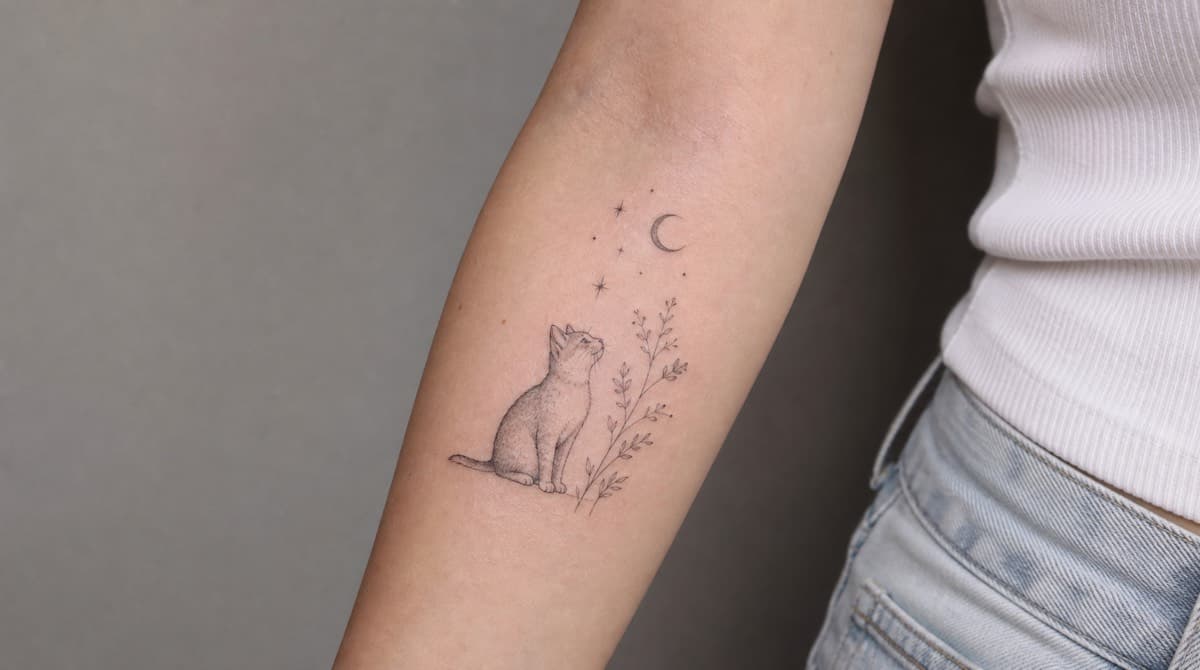
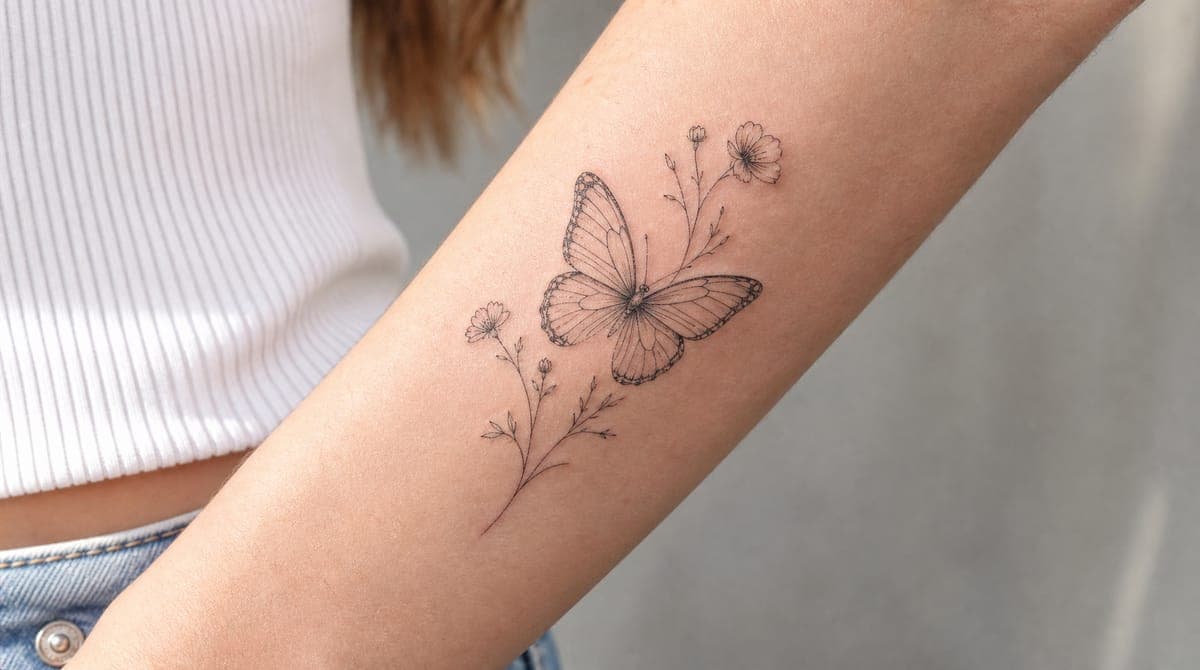
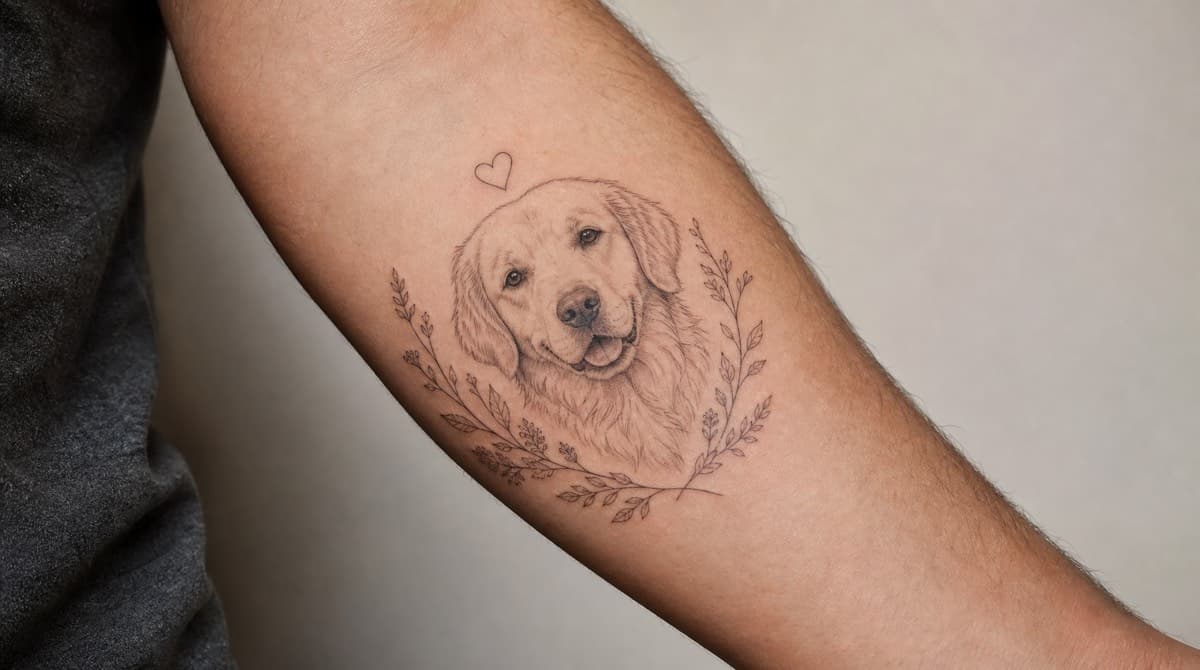
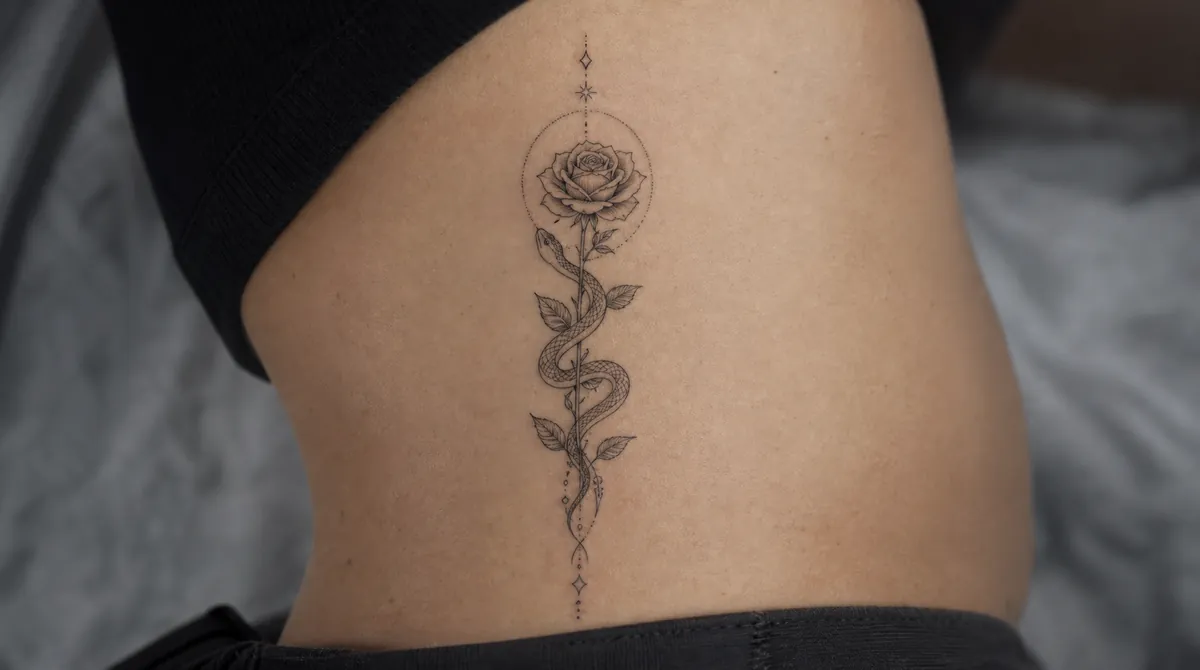
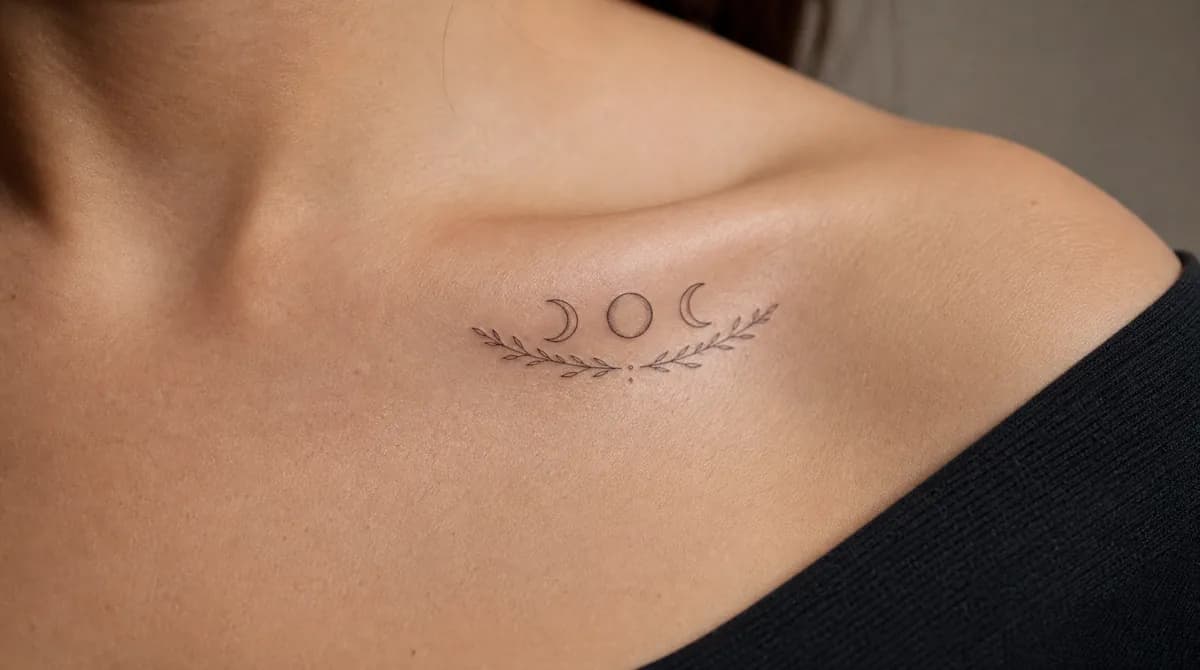
Designs straight from the generator.
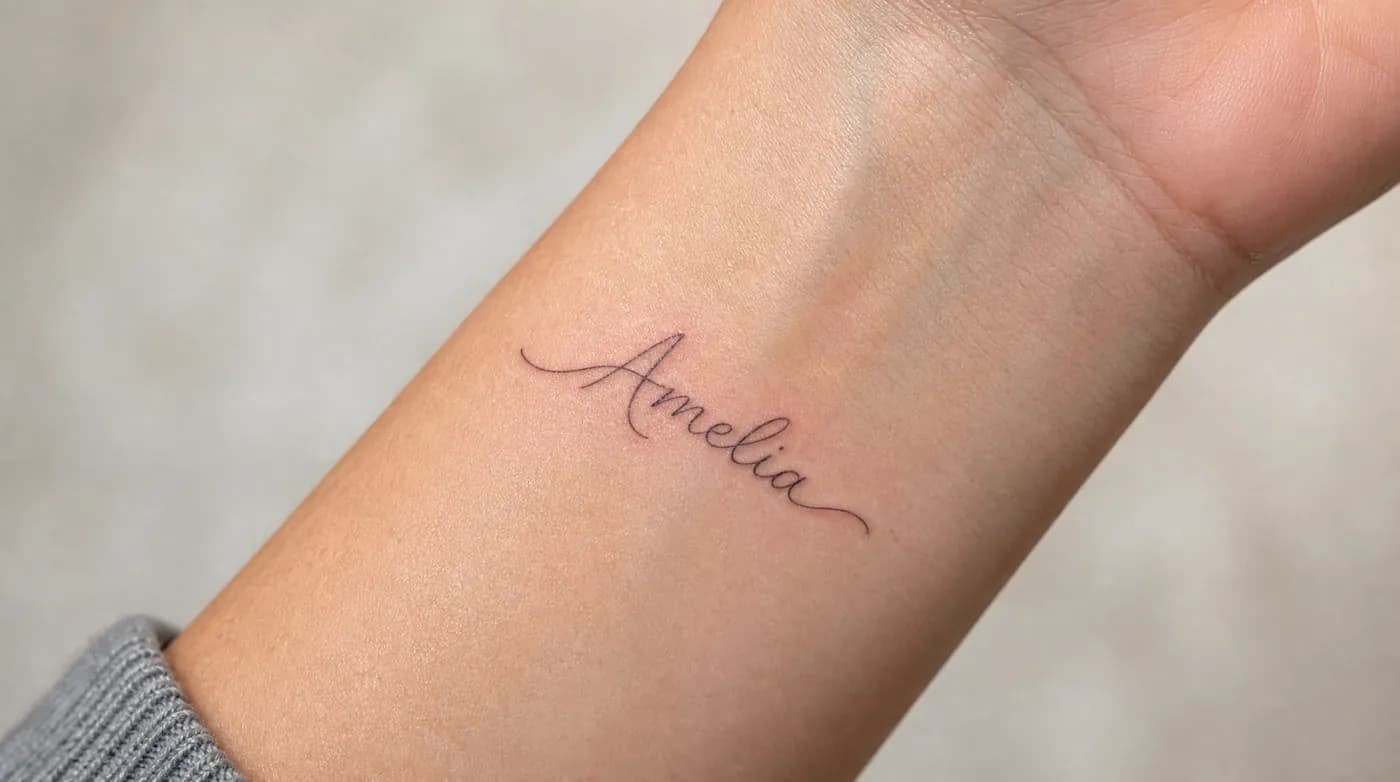
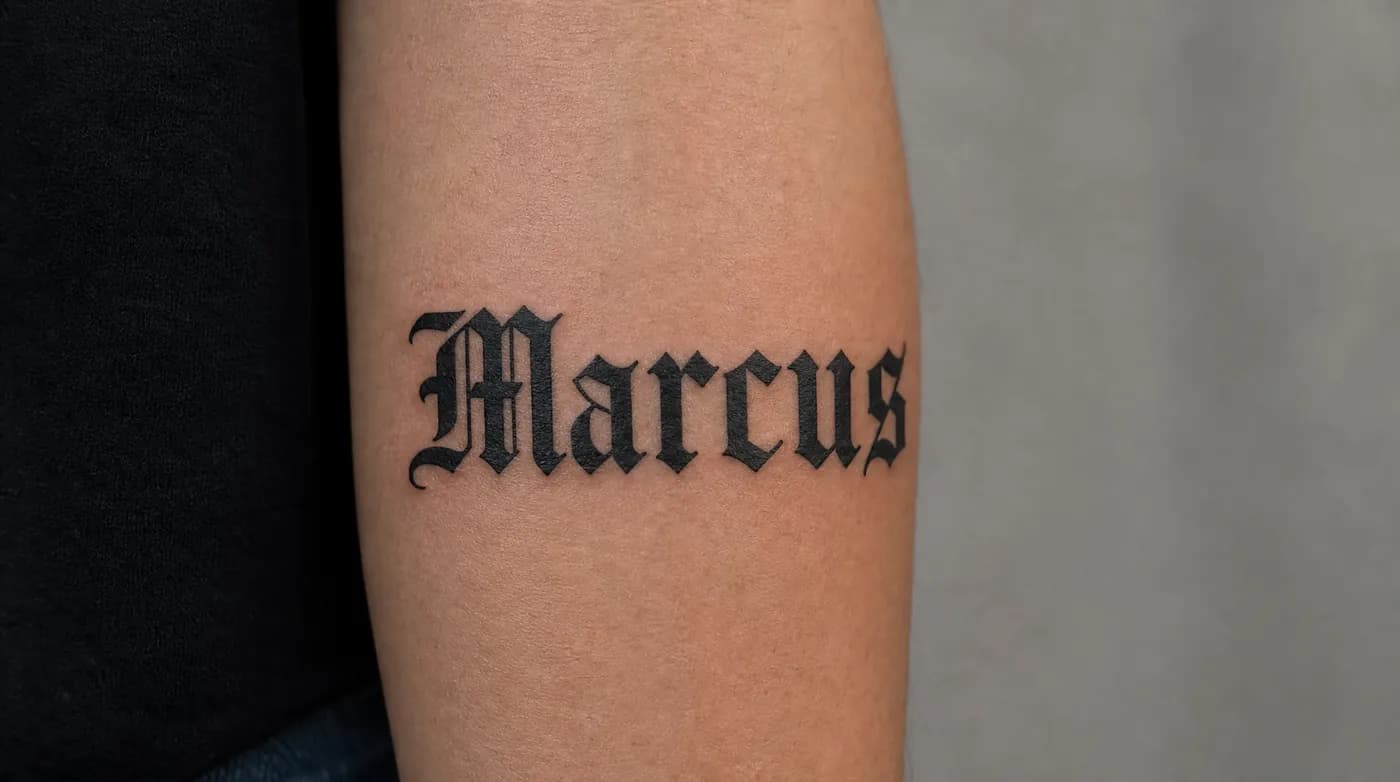
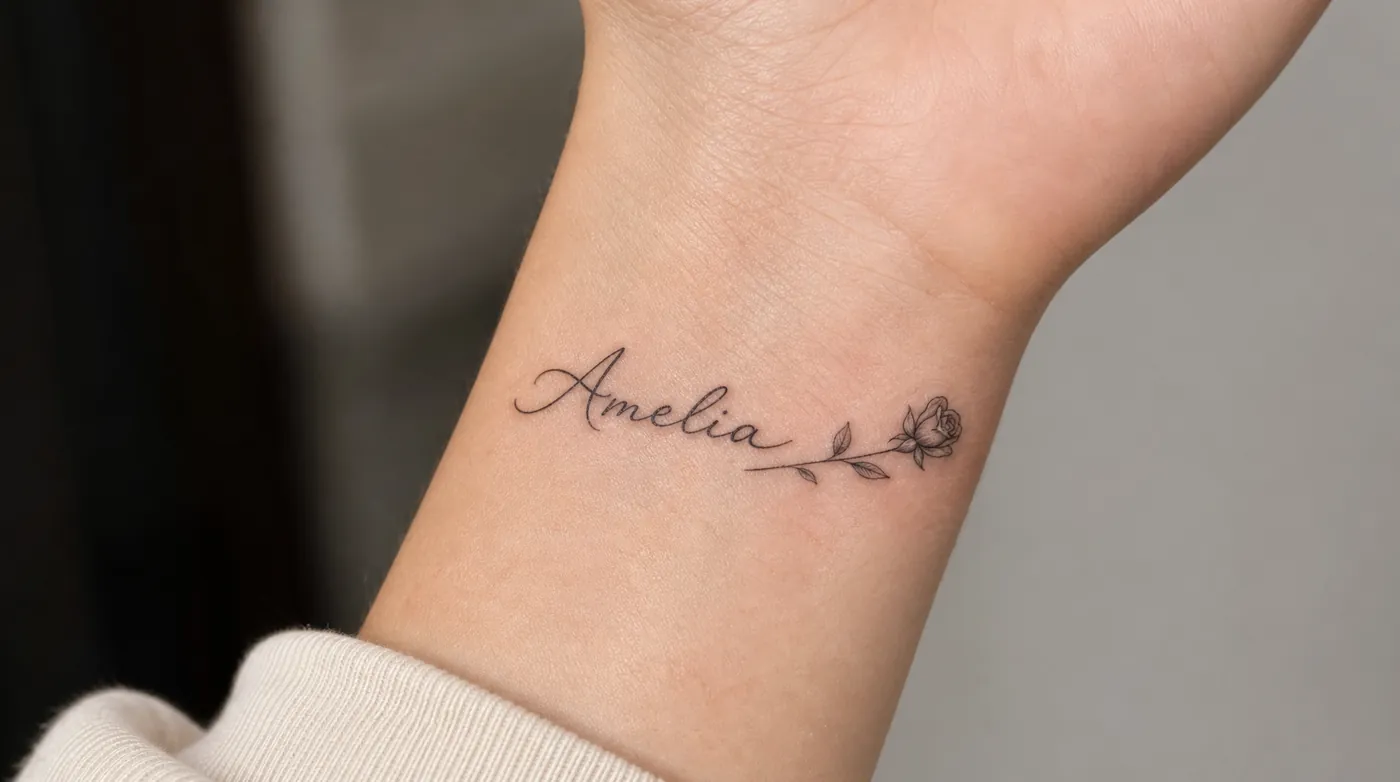
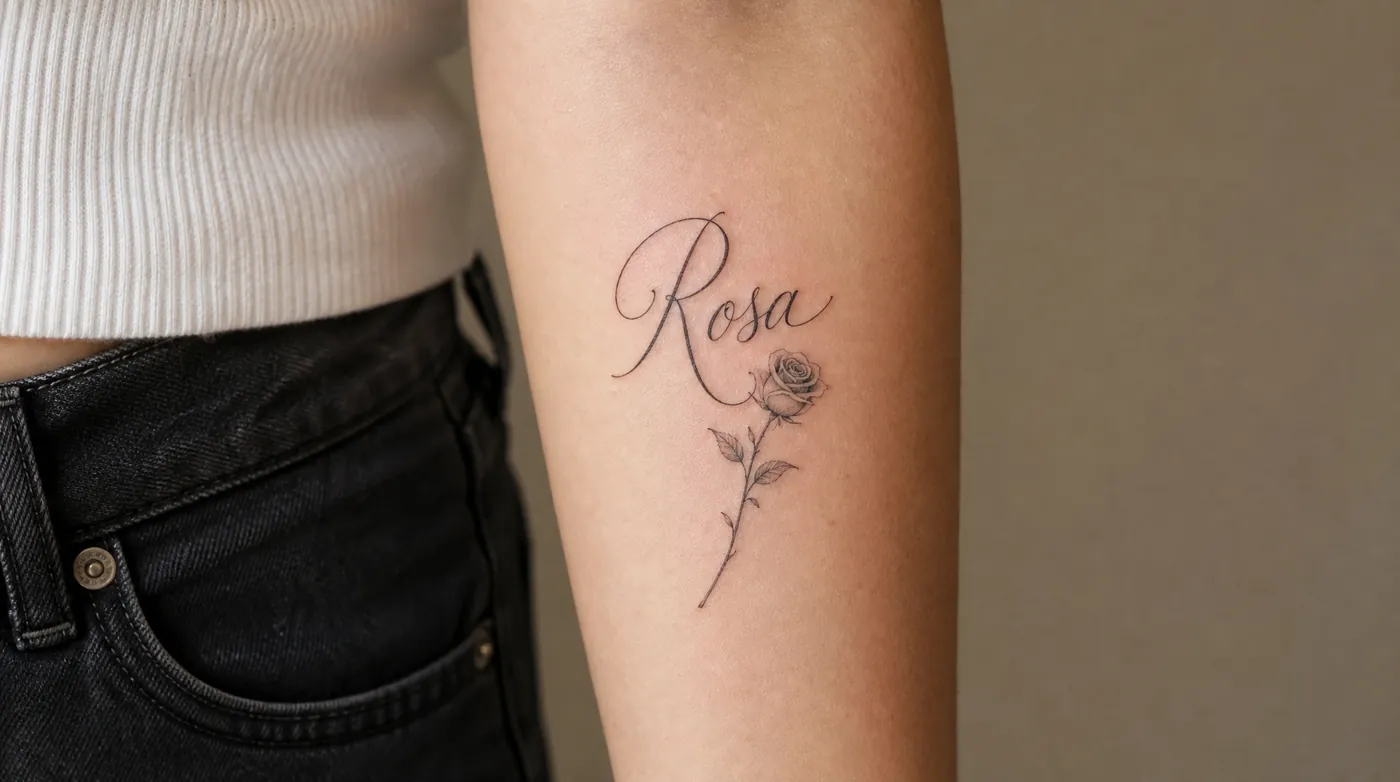
Unedited results, not stock art. Some are flat designs, some are rendered on skin so you can judge the scale.
The honest limitations of generated lettering.
Check every letter, every time
Image models are far better at text than they were, and the prompt behind this tool states the spelling explicitly more than once. It still gets it wrong sometimes - a doubled letter, a dropped accent, a malformed character in an ornate script. Treat every result as needing proofreading. This is the one place where a mistake is genuinely unfixable.
Your artist should letter the final piece
Use this to decide what style of lettering you want and how it should sit. Then let the artist draw it from a real font, at the real size, spaced for the part of the body it's going on. Hand lettering by someone who does it weekly will beat a generated version every time - this tool is for making the decision, not for producing the stencil.
Script is beautiful and it does soften
Thin connecting strokes are the first thing to go as ink spreads. Fine-line script on a wrist can lose its delicacy within five to ten years. That's not a reason to avoid it, but if you want it to stay crisp, ask your artist for slightly heavier strokes than the generated preview shows.
Long names and phrases lose legibility fast
The more characters, the smaller each one has to be for the same placement. Full names, dates and quotes together on a wrist rarely work. If you want all of it, plan for a bigger placement - a forearm or ribs - or split it across two pieces.
Questions people actually ask.
- Is the name tattoo generator free?
- One free credit comes with a new account, which covers a full-resolution design and download. After that it's credit packs from $5 for 15, with no subscription and no expiry.
- What tattoo font is best for a name?
- Fine-line script is the safest choice - it reads clearly at small sizes and suits most placements. Classic serif ages the best of any option here because the strokes are thicker and more even. Old English looks striking but needs a larger placement; on a wrist the letterforms close up and become hard to read.
- Can it do two names, or a name with dates?
- Yes, but expect legibility to drop as you add characters. Two short names stacked on separate lines usually works. A name plus a full date on a small placement generally doesn't - you'll get something that looks fine on screen and is unreadable at actual size.
- Will the spelling definitely be right?
- No, and you should assume it might not be. The prompt states the exact spelling repeatedly, which helps a lot, but generated text is still occasionally wrong. Read it letter by letter before you use it as a reference - and again on the stencil before the needle touches you.
- Can I add a small image alongside the name?
- Yes - the accent field takes one small element, like a rose stem or a tiny bird. Keep it to one. The lettering is the design, and anything competing with it makes both parts weaker.
- Where do name tattoos work best on the body?
- Inner forearm and collarbone are the most reliable: flat enough for even lettering, and enough length for a name to sit naturally. Wrists work for short names. Fingers are the worst place for lettering - the skin regenerates fast and the letters blur into each other within a couple of years.
Before you book the appointment.
How to Design a Tattoo With AI (Without It Looking Generated)
A step-by-step guide to designing a tattoo with an AI tattoo generator - how to write a prompt, pick a style, and end up with a clean, artist-ready design.
Are AI Tattoo Designs Any Good? An Honest Look
An honest look at whether AI tattoo designs are actually usable - where they shine, where they fall short, and how to get results a tattoo artist can work with.
How to Take an AI Tattoo Design to Your Artist
How to bring an AI-generated tattoo design to a real artist - what to prepare, what to expect, and how to work together so the final tattoo is even better.
See the name before it's permanent.
One free credit to start. High-resolution download, no watermark.
Generate a name tattoo