Minimalist Tattoos
Minimalist tattoos strip an idea down to its simplest readable form - a few lines, a small shape, a single symbol. The skill isn't in adding detail. It's in knowing exactly what to remove before the thing stops meaning anything.
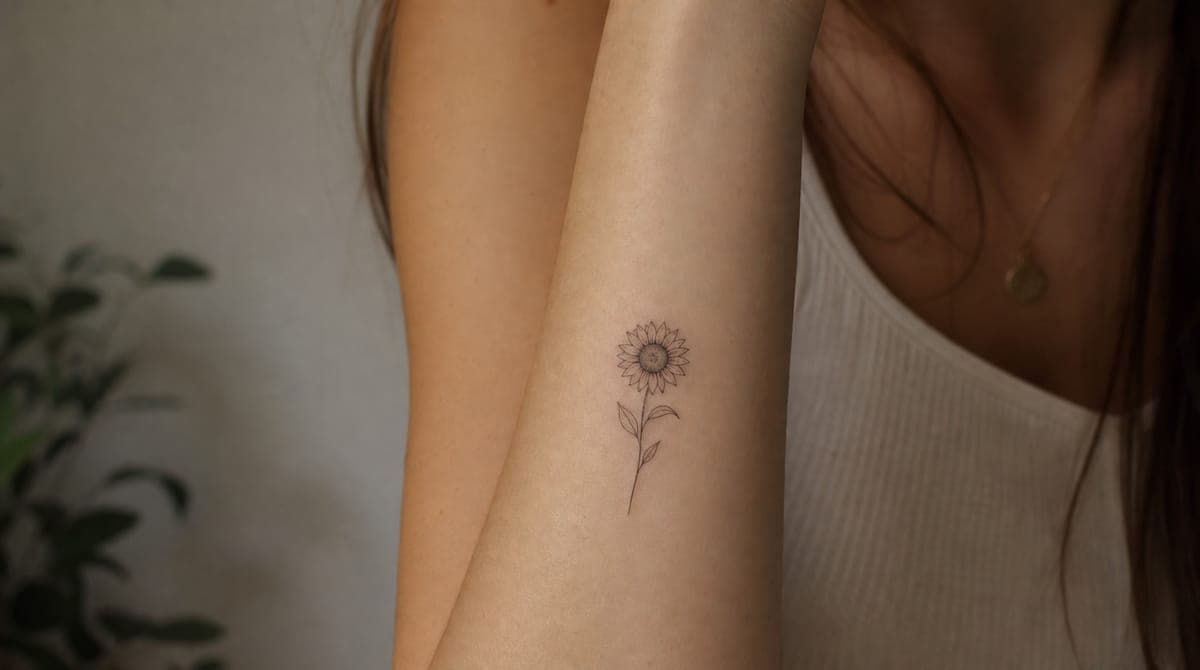
The hardest brief is the simplest one
Ask an artist for a detailed sleeve and you've given them room to work. Ask for a mountain range in three lines and you've given them a problem, because there's nothing to hide behind. If one of those three lines is wrong, the whole tattoo is wrong, and everyone can see it.
That's the honest reason minimalist work is harder than it looks and why good minimalist artists charge accordingly. Editing is the labour. Deciding that the design needs three strokes rather than five - and which three - takes longer than drawing all five.
Unlike the older styles on this site, minimalism doesn't come with centuries of tradition behind it. It's a design sensibility that arrived with a generation who wanted tattoos to be personal and quiet rather than declarative, and it borrows its technique almost entirely from fine line work.
Minimalist is not the same as small
This is the distinction that decides whether a design works. Small is a size. Minimalist is an editorial decision - every line earns its place, negative space does real work, and no shading or ornament is propping up a weak idea.
A tiny, cramped design with eight elements crammed into two centimetres is small. It is not minimalist, and it's the version most likely to disappoint in five years. A single wave, a mountain peak in three strokes, a set of coordinates: the restraint is the entire point.
There's a practical dividend too. Fewer lines, further apart, means less to blur as ink settles - so a well-spaced minimalist piece often stays legible longer than a crowded, over-detailed one at the same size.
Placement, and the one real trap
Minimalist designs suit spots where a small mark reads as deliberate rather than accidental: inner forearm, wrist, behind the ear, ankle, collarbone. The design is quiet, so it wants a location that gives it a little stage.
The trap is going too small on high-movement areas. Fingers and feet take constant abrasion and regenerate fast, and a design already reduced to its essentials has no margin - lose definition on a three-line design and there's not much left.
Give it air. A minimalist piece with breathing room around it looks confident. The same design shrunk to a few millimetres can close up into a smudge within a couple of years, and the fix is almost always to have gone slightly larger in the first place.
Getting a clean minimalist design from AI
Generators default to adding. Left to itself the model will give you a lovely, slightly cluttered illustration, because more detail generally looks more impressive on a screen. Minimalism means pushing back explicitly.
- Reduce the idea to its essence before you type: "a single mountain peak in three continuous lines."
- Ask for restraint by name: "minimalist, simple line work, lots of negative space, no shading."
- Cap the element count. If you're describing more than two or three things, it isn't minimalist any more.
- Generate a few variations and pick the one that reads instantly at a glance. That glance test is the whole style.
- If every result comes back too busy, remove a noun from your prompt rather than adding the word "simple" again.
Minimalist tattoos - FAQ
- How small can a minimalist tattoo be?
- Small, but not microscopic. Ink spreads slightly over time, so lines need space between them to stay distinct. A design that's clear at a glance today will still read in a few years; one that's already crowded won't. Most artists will give you a minimum size for a given design - that number is experience, not upselling.
- Are minimalist tattoos meaningful?
- Often more so. Reducing an idea to a single symbol or line forces you to decide what actually matters about it, and that editing tends to produce something more personal than a literal illustration would. Simple doesn't mean shallow.
- What's the difference between minimalist and fine line tattoos?
- Fine line describes the technique - a single needle laying down a hair-thin line. Minimalist describes the design philosophy - how little the design contains. Most minimalist tattoos use fine line technique, but an intricate fine line piece can be the opposite of minimalist.
- Are minimalist tattoos cheaper?
- Not always, and it surprises people. Studios usually have a minimum charge that a very small piece hits regardless, and the design time behind good minimalist work is real. You're paying for the decisions about what to leave out, not the minutes the needle is running.
- Do minimalist tattoos age well?
- Better than most small work, provided they're genuinely minimal rather than merely tiny. Few lines with space between them have room to soften without merging. The pieces that age badly are the ones that packed detail into a small footprint.
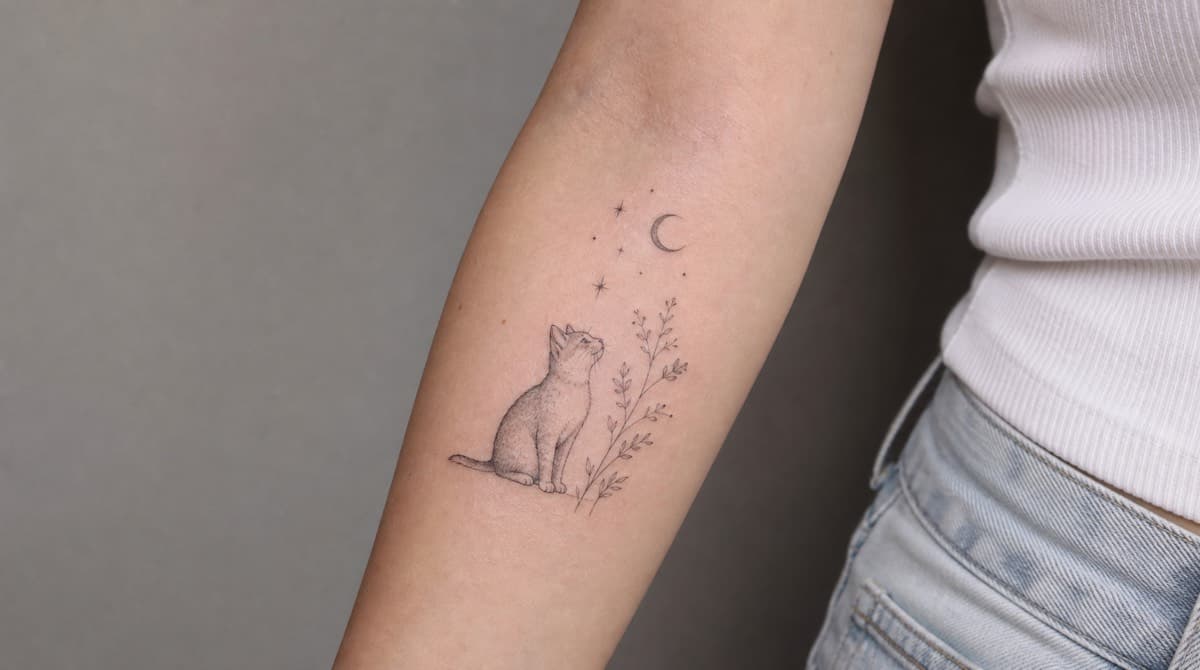
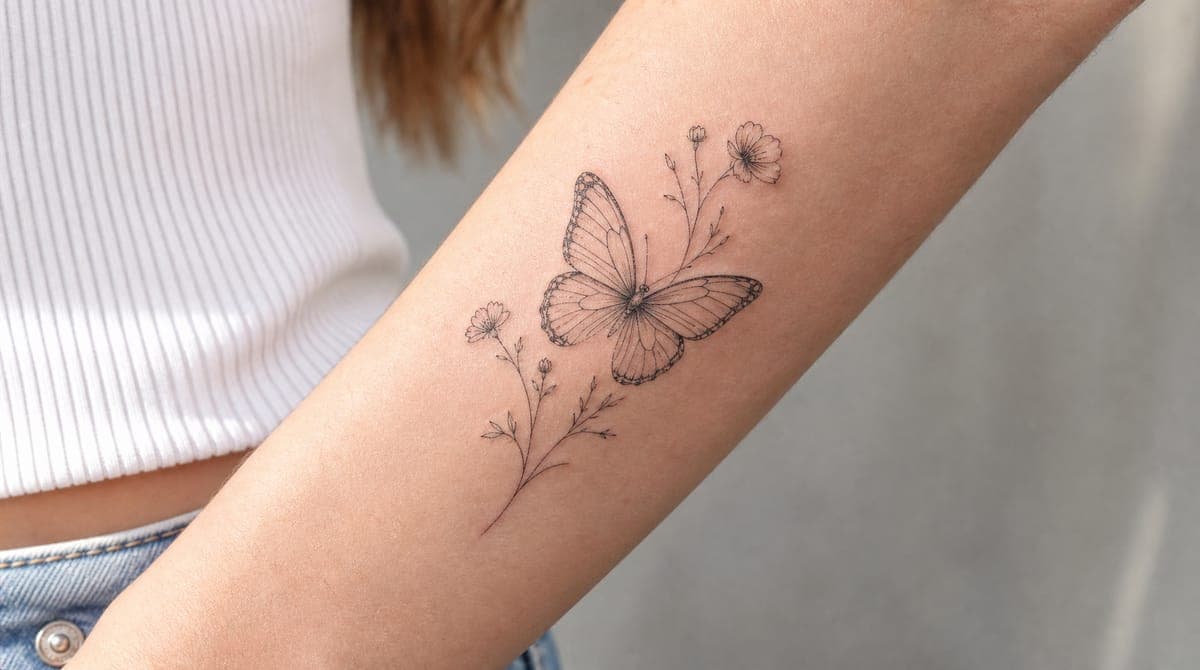
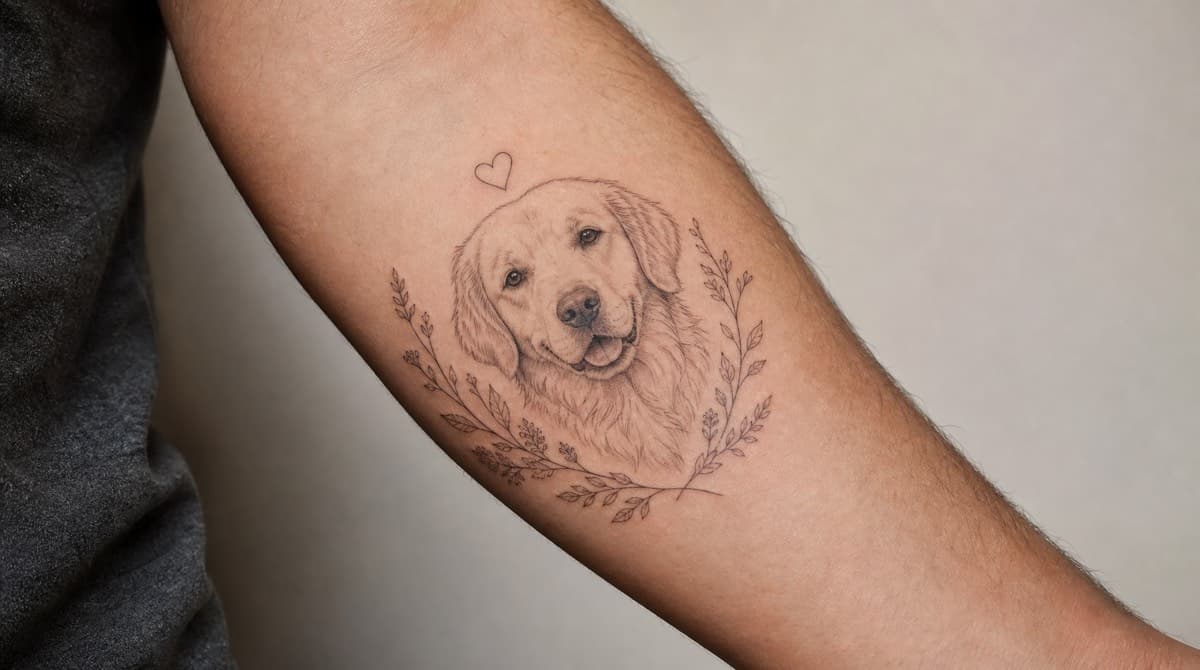
Related styles
Design a minimalist tattoo now.
Describe your idea and get a clean, ready-to-ink design in seconds.
Start designing